
Search Kenosha Bench Warrants
Kenosha bench warrants can come from the city municipal court or from Kenosha County circuit court, and the difference matters. City cases usually involve municipal ordinance or traffic matters, while county cases sit in the circuit court record and may involve a broader criminal or family file. If you need to find Kenosha bench warrants, start by identifying which court issued the case. That is the fastest path to the right record, the right contact, and the right next step.
Kenosha Overview
Kenosha Bench Warrants at Municipal Court
Kenosha Municipal Court handles non-criminal municipal ordinance violations only. It also handles city traffic matters, and the research file shows a caseload of about 14,000 to 21,000 cases each year. Roughly 75 percent are traffic cases and about 25 percent are city ordinance matters. That matters because a city warrant in Kenosha does not mean the same thing as a county circuit warrant. The municipal court is the right place for city citations, and the county clerk is the right place for county cases.
The official city court page at Kenosha Municipal Court is the public starting point for city matters, even when the record search takes place through a state or county system afterward. The court phone number is (262) 653-4220, the fax number is 262-653-4222, and the email is municipal_court@kenosha.org. Public hours are Monday through Friday, 8:00 a.m. to 4:30 p.m. Regular court sessions are Monday through Friday, 8:30 a.m. until noon, with evening sessions at 5:00 p.m. on the last Tuesday of every month by request only.
That structure makes Kenosha bench warrants easier to sort once you know the case lane. If the citation came from the city, the municipal court controls it. If it came from the county circuit system, move to county records instead.
The county clerk page at kenoshacountywi.gov/118/Clerk-of-Courts is the official county record source behind this Kenosha image. Even for city searches, that county office is where many records questions eventually land.
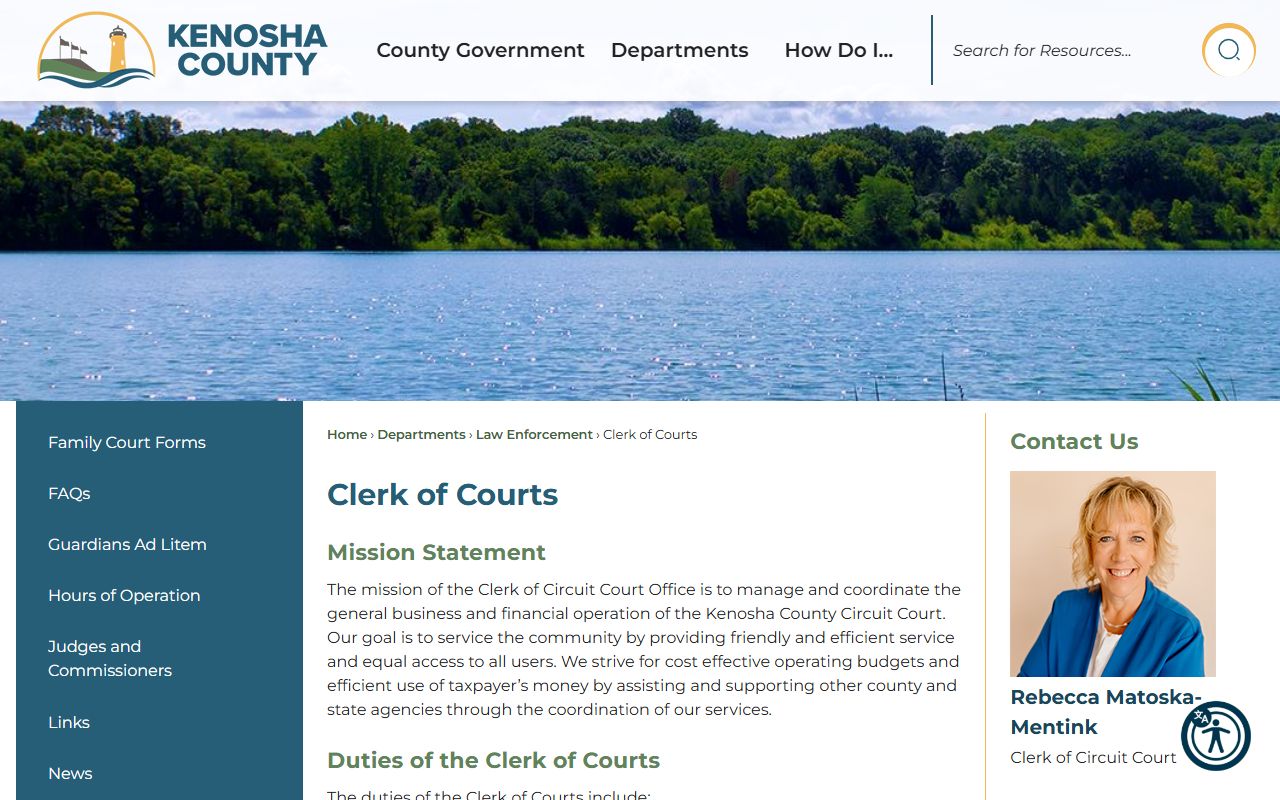
Use the county clerk when the case leaves the municipal lane or when you need the circuit court record that sits behind the city citation.
Kenosha Bench Warrants in County Records
Kenosha County records matter because some city questions turn into county questions very quickly. The county clerk of courts manages the business and financial operation of the circuit court and keeps the official county court record. The courthouse is at 912 56th Street, Kenosha, WI 53140, and the phone number is (262) 653-2664. Public hours run Monday through Friday from 8:00 a.m. to 5:00 p.m. The county record search page also sets out the fees for finding and copying records.
For county searches, WCCA remains the best public locator. It lets you search by name, case number, or birth date, and it is the best way to confirm whether a Kenosha case belongs in circuit court. Once you have that answer, the county clerk can help you move from a docket note to the actual file. The clerk can also explain how a record request works when a case has multiple filings or a long history.
The county record search page at Kenosha County Record Search says a name search costs $5 if you do not have the case number. Copies cost $1.25 per page. Certified copies cost $5 per document plus the page fee. Those fees are useful when a city matter turns into a county file request.
Note: A Kenosha city warrant issue can still require county record work if the file moves into the circuit court system.
Kenosha Bench Warrants and Payment Rules
City bench warrant rules in Kenosha are tied to payment and appearance problems. If a person misses a court date or leaves a citation unpaid, the court can move to sanctions. The research file says those sanctions can include a one-year suspension of driving privilege for traffic or juvenile matters, possible jail for city ordinance violations, tax interception, collection agency referral, and a docket judgment with the Kenosha County Clerk of Courts. That is why checking the warrant status early matters.
Payment options are direct. The online payment page is Paymentus for Kenosha Municipal Court. When paying online, the citation letters must be entered in uppercase and the dash suffix should be omitted. Payment can also be made in person, by mail, or by phone. The court says payment plans must be requested in writing, and verbal requests are not accepted. Telephone appearances are available if you call the clerk before the hearing.
Those details matter because the fix for a Kenosha bench warrant is often procedural, not mysterious. If the court gives you a payment path or appearance path, follow it exactly and keep your receipt or confirmation number.
The county record search page at kenoshacountywi.gov/125/Record-Search also shows the record side of Kenosha bench warrants, which is the part most people need after they find the case.
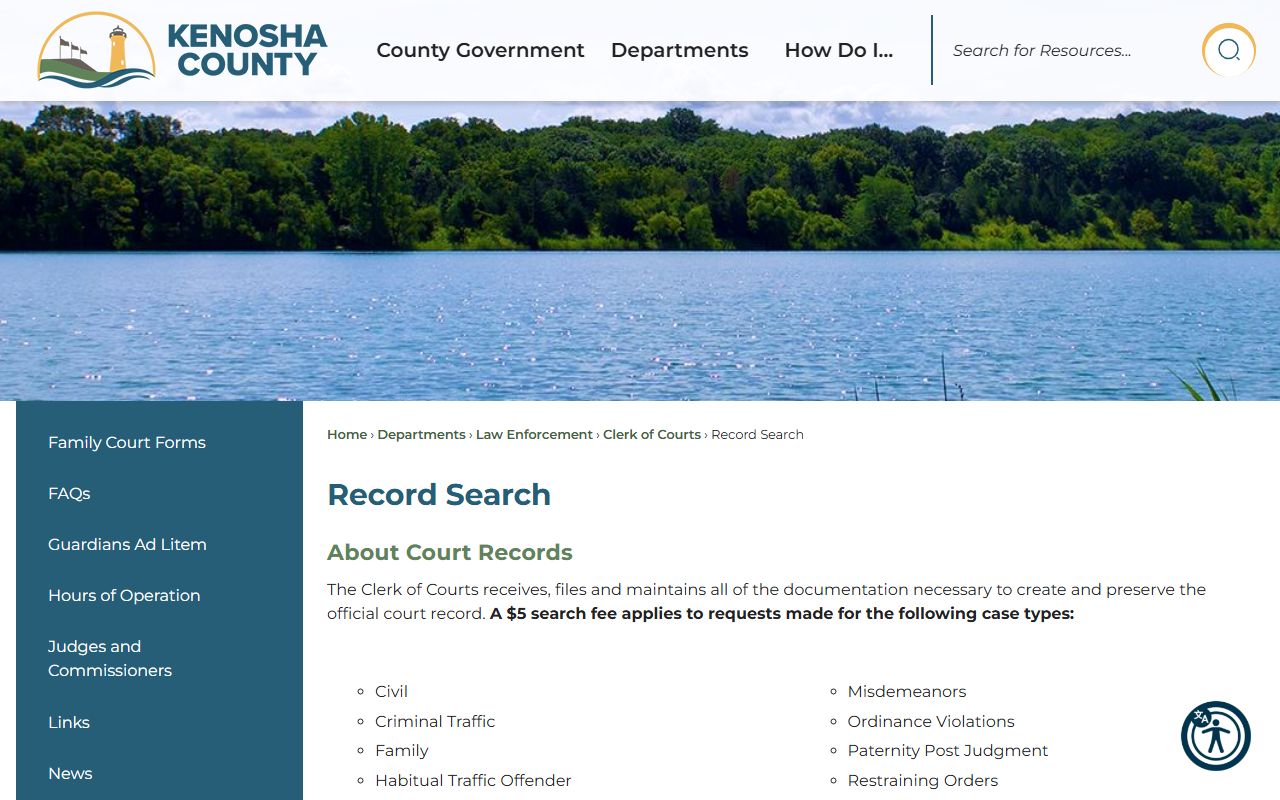
That county source is the cleanest path when a city citation starts to move into court record territory.
How to Search Kenosha Bench Warrants
Begin with the court that issued the case. If the matter came from the city, use the municipal court first. If it came from the county, use WCCA and the county clerk. The Wisconsin Court System self-help page at wicourts.gov/selfhelp/index.htm recommends checking WCCA, contacting the clerk in the county where the case is pending, and getting legal advice if the warrant question is serious. That guidance fits Kenosha well.
The county and city sources work together, but they are not the same. City warrants stay tied to city court rules. County bench warrants stay tied to circuit court cases. If you do not know which one you have, start with the citation, the docket, or the name search in WCCA. Then call the office that matches the case type.
A few details make the search better:
- Full name and any middle name or suffix.
- Citation or case number if available.
- Whether the matter is city or county based.
- Any notice, letter, or payment instruction from the court.
Once you know the lane, the rest of the search gets easier.
Resolve Kenosha Bench Warrants
Resolving Kenosha bench warrants is usually about moving through the court's own process. For municipal cases, the court can tell you whether a payment, a written request, or a court appearance is needed. For county cases, the clerk and the WCCA docket can show the filing history and the next court action. The city court also allows community service in limited cases for impoverished people and juveniles under 17 for non-traffic violations. OWI or PAC jury trials must be requested within 10 days of plea entry and are transferred to circuit court.
Kenosha Municipal Court also says point reduction school is available through Gateway Technical College with judge approval. That is not a bench warrant cure by itself, but it is one more sign that city cases follow their own track. If the issue is city-based, work through the city court. If it is county-based, the county clerk and WCCA remain the right tools. The important part is not to mix the two.
For most people, the best route is simple. Identify the court. Check the record. Make the payment or appearance the court requires. Then confirm that the docket has been updated before you move on.